This past weekend, my husband and I attended a funeral.
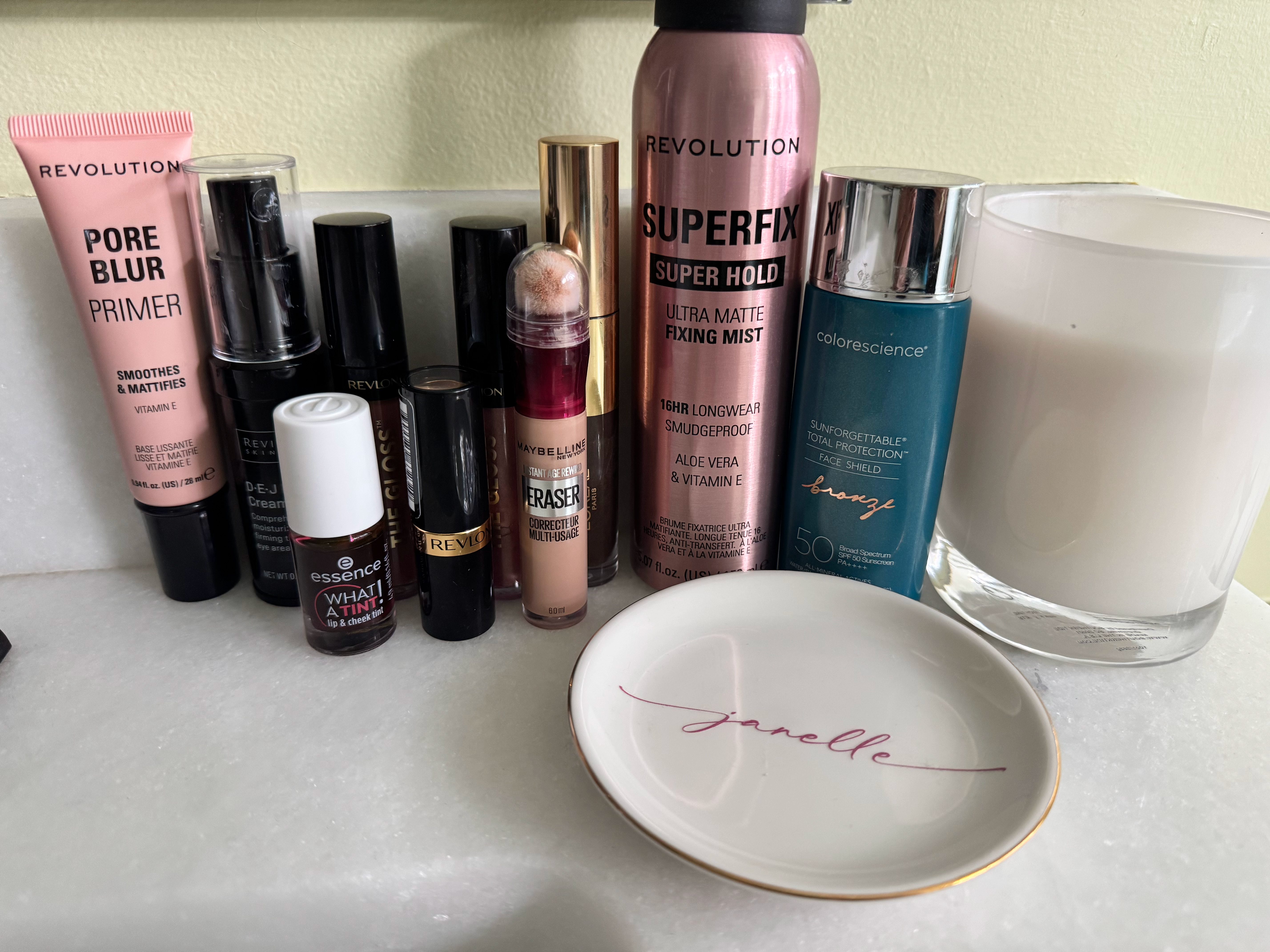
The day before, I found myself crouched in the makeup aisle of a grocery store, scrambling to buy a few last-minute items to keep my makeup from melting in the North Carolina heat.
I don’t normally wear makeup.
Phone in hand, I started snapping photos of products and asking ChatGPT questions.
Real questions.
“Does fixing mist help with makeup in hot weather?”
“What about these primers? Are primers the same thing as the fixing spray?”
“What about liquid lipsticks and/or glosses? In the past I’ve used a colored lip gloss.”
“Can you run down the order of how to put my makeup on now?”
As I sat there in the aisle, it struck me how different these searches felt from the way we used to search.
There was context.
There was uncertainty.
There was vulnerability.
In a way, each prompt was a tiny confession.
I wasn’t just looking for information. I was looking for reassurance.
And that’s what I’ve found so fascinating about the overlap between SEO and AI.
One of the most interesting things about working in SEO is that, after a while, you stop seeing keywords.
You start seeing people.
Behind every search is someone trying to solve a problem, answer a question, or make sense of something they’re experiencing.
For years, we’ve studied those moments through keywords and search queries. Then AI arrived, and something fascinating happened.
The questions didn’t change.
The way people asked them did.
A decade ago, someone looking for running shoes might have searched:
best running shoes
Today, they might ask:
I’m a former collegiate runner in my 40s trying to get back into shape after having a child. What running shoes would you recommend?*
*And yes, that one may have been pulled from personal experience.
The underlying need is exactly the same.
But the context is richer.
The intent is clearer.
The interaction feels more human.
Many conversations about AI focus on prompts, algorithms, rankings, and technology.
Those things matter.
But beneath all of it is something much more fundamental:
- People have always wanted personalized answers.
- They’ve always wanted information that feels relevant to their situation.
- They’ve always wanted to feel understood.

For years, search engines required us to translate our thoughts into keywords. We learned to shorten, simplify, and sometimes even distort our questions to fit inside a search box.
AI is changing that.
Instead of typing fragments, we’re speaking in complete thoughts.
Instead of keywords, we’re providing context.
Instead of searching, we’re having conversations.
The technology has evolved, but human behavior hasn’t changed nearly as much as we think.
People still want answers.
People still want reassurance.
People still want guidance.
The difference is that we’re finally able to ask questions the way we naturally think.
As someone who works at the intersection of content, SEO, and now AI, that’s the shift I’m paying the most attention to.
Not because it changes how people search. But because it reveals how people communicate.
And every question—whether it’s a search query or an AI prompt—tells a story.
What resonated with you?